
What Is a Privacy Fence for Patio and Why Do You Need One?
A privacy fence for your patio is much more than a simple barrier. It’s a key design element that transforms your outdoor patio into a secluded retreat, shielding you from prying eyes and unwanted noise. From my decade of installing fences, I’ve seen how a well-placed privacy fence around a patio enhances comfort by blocking wind and harsh sun, while improving the property’s overall aesthetic. In fact, an analysis by Perimtec shows that such fences can increase home value by creating structured, private spaces that appeal to buyers, as detailed in their “Top Benefits of a Residential Privacy Fence” report.
A quality outdoor patio privacy fence serves multiple functions: it keeps children and pets safely contained, helps deter intruders, and can even reduce noise pollution. In one project, we installed a 6-foot cedar privacy fence for a patio that cut down neighborhood sounds by a noticeable margin, making the family’s outdoor gatherings more peaceful. If you’re dealing with close neighbors or a busy street, a fence turns your patio into a personal sanctuary.
Gallery of Ideas: Best Privacy
Fences for Your Patio
Explore these patio privacy fence ideas to find designs that blend beauty and utility. From timeless wood to sleek, modern options, these privacy fence for patio ideas cover various materials and functions, helping you choose a solution that fits your home’s style and your practical needs. Having handled hundreds of installations, I’ve compiled options that prioritize both durability and curb appeal. For even more inspiration, check out our broader guide on privacy fence ideas.
Classic Wood: Warmth and Versatility
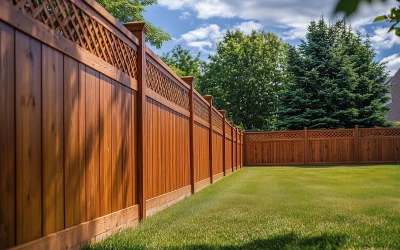
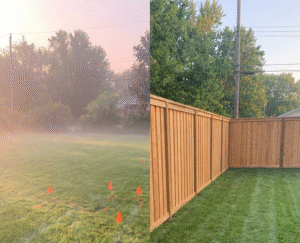
Wooden privacy fences bring a natural warmth and adaptability that few materials can match. Design options range from solid vertical panels for complete seclusion to horizontal slats that create a louvered effect. For a softer look, lattice designs support climbing vines, adding a layer of green charm to your privacy fence for patio setup.
In my experience, woods like cedar and pine are top contenders for their resilience. Cedar has natural resistance to rot and pests, often lasting up to 30 years with proper sealing. Pine is more budget-friendly but requires staining every 2-3 years to stand up to humidity. One memorable case involved a client who wanted a rustic look; we used redwood planks for a stockade-style fence that provided total privacy and blended perfectly with their cottage. As noted by Boots On Enterprises in “Wood Privacy Fences: 8 Reasons You’ll Want One,” all wood fences should be treated with sealants to protect against weather, confirming advice I’ve given on countless jobs.
Vinyl and Composite (WPC): Minimal Maintenance, Maximum Style
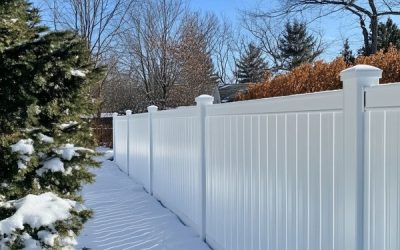
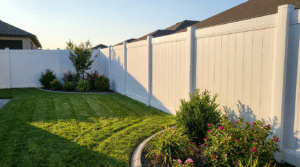
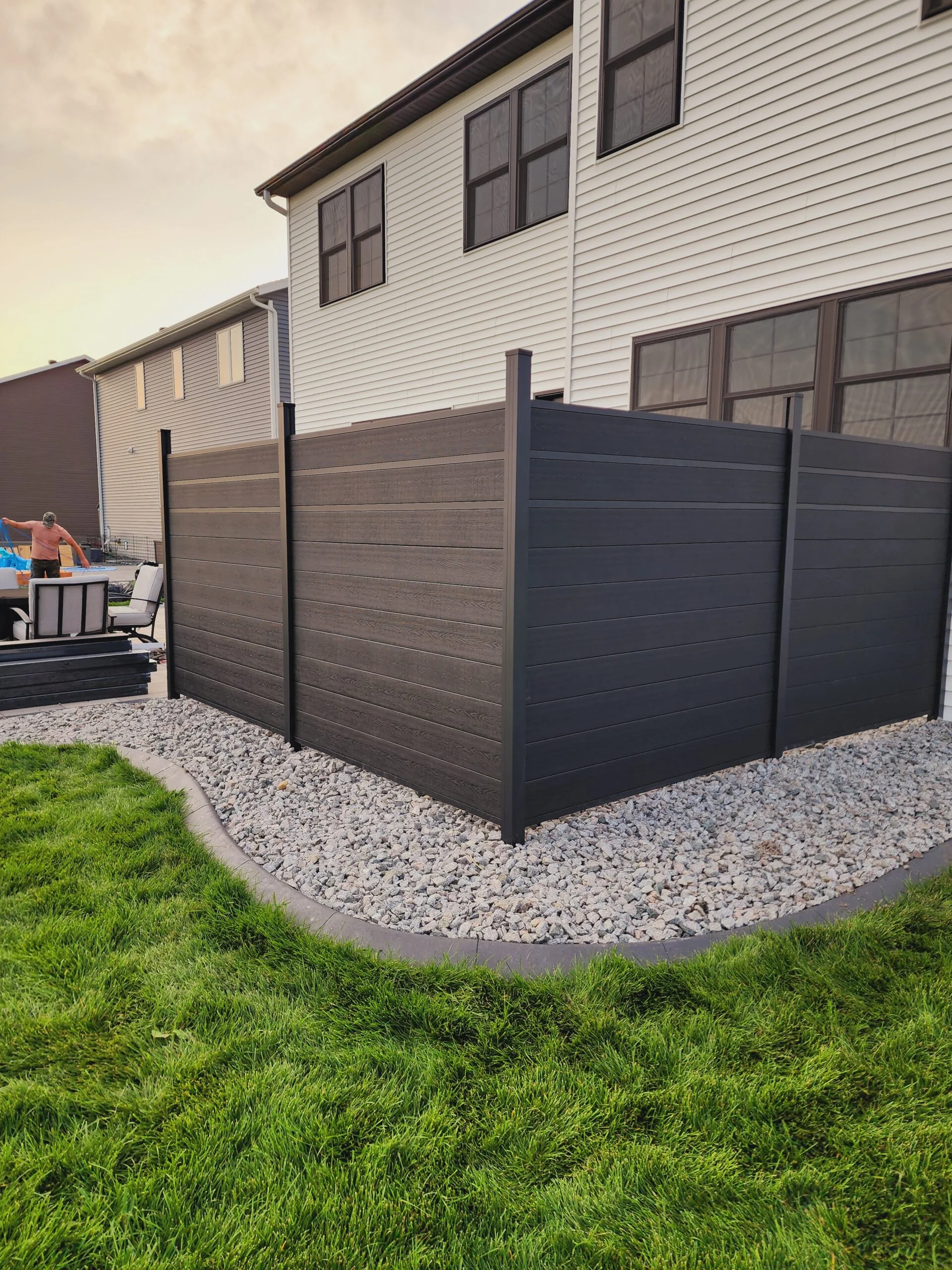
For homeowners who value practicality, vinyl and composite (Wood-Plastic Composite or WPC) fences are an ideal choice. These materials resist rot, never need painting, and clean up easily with a hose. Manufacturers offer a wide array of colors and textures that convincingly mimic natural wood or stone, and their modular panel systems often simplify installation.
From my installs, composite options made from recycled wood and plastic consistently outlast wood in humid climates, lasting 25 years or more without fading. A recent project at a beachside condo involved white vinyl pickets with a lattice top; it gave the patio full privacy while matching the modern aesthetic. The client hasn’t had to perform any upkeep in two years. This aligns with findings from Perimtec, which highlights the low maintenance of these materials, making them a great fit for busy families.
Metal and Modern Materials: Durability and Elegance
Metal fences, including laser-cut steel screens, sleek aluminum panels, or wrought iron combined with polycarbonate inserts, deliver a modern look with impressive longevity. They are built to withstand harsh weather and maintain their elegant appearance for decades.
I’ve installed aluminum horizontal slat fences for patios in windy coastal areas, where they held up significantly better than wood during storms, providing unbroken privacy. Another client chose a steel screen with an intricate floral pattern; it effectively blocked views while still allowing light to filter through, enhancing their outdoor space. The durability of metal against weather is a key benefit, a point also emphasized by Butte Fence in their “10 Benefits to Installing a Privacy Fence” guide. These are perfect for contemporary homes, and you can explore various durable options like our aluminum fence selections.
Natural and Budget-Friendly Solutions: Bamboo and Living Hedges
Bamboo screens or living hedges created from plants like Thuja Green Giant or English Ivy offer an eco-friendly approach to privacy. They integrate seamlessly with the natural landscape and often come with a lower upfront cost. These privacy fence ideas for a patio are perfect for a green aesthetic.
In one budget-conscious project, we installed a simple trellis and planted Virginia Creeper for a client’s small patio. Within a single season, it grew into a dense, green barrier, cutting their costs by nearly 40% compared to a solid fence. As noted by the Central Fence Company, natural barriers like these also enhance a property’s aesthetic and can increase its value.
Practical Solutions for Special Cases
Ideas for a Small Patio
Effective small patio privacy fence ideas focus on space-saving designs. Instead of bulky structures, consider vertical gardens on lattice panels, retractable screens, or portable dividers. These solutions optimize limited areas without making them feel cramped.
From my work, fences with built-in planters or shelves are a game-changer, providing privacy and storage while saving valuable ground space. A client in a townhome used retractable bamboo screens for their 10×10 foot patio; they could extend them for privacy during gatherings and fold them away when not in use. This type of compact solution prevents clutter while ensuring seclusion, a concept also recommended by FenceTrac in their guide on “Patio Privacy Fence Ideas.”
DIY Ideas: Building a Fence Yourself
If you’re on a tight budget or enjoy hands-on projects, several DIY ideas can deliver style affordably. A simple fence from wood pallets, a woven wattle fence made from branches, or even a sturdy frame stretched with outdoor fabric can become a chic and inexpensive solution. One client of mine assembled a pallet privacy screen over a weekend, saving around $500 on labor while adding a charming, rustic touch to their patio.
How to Choose the Perfect Fence: Key Factors
Comparative Table of Materials
Making an informed decision is easier when you can compare materials side-by-side.
| Material | Average Cost per Linear Foot (2025) | Durability | Maintenance Needs | Privacy Level | Aesthetics |
|---|---|---|---|---|---|
| Wood | $25–$35 | Medium (10-30 years) | High (stain every 2-3 yrs) | High | Natural, warm |
| Vinyl | $20–$40 | High (20-40 years) | Low (hose clean) | High | Versatile colors |
| Composite | $40–$60 | High (25+ years) | Low | High | Wood-like textures |
| Metal | $30–$50 | High (30+ years) | Medium (rust checks) | Medium-High | Modern, sleek |
This data, based on market analysis from sources like Boots On Enterprises, helps weigh the pros and cons. If durability is your priority, our composite fence options provide excellent long-term value.
Budget and Long-Term Costs
When planning your budget, look beyond the initial price of materials and installation. Consider the long-term maintenance costs. A less expensive wood fence might require annual staining, which can add up over time, whereas a vinyl fence, though potentially more expensive upfront, could save you money for decades.
Local Laws and Height Restrictions
Before breaking ground, always check local zoning laws and your Homeowners Association (HOA) rules. There are often strict regulations on the maximum height of a fence, typically between 6 and 8 feet, as well as required setbacks from property lines.
The most common mistake I see is homeowners ignoring local regulations. A fine and a demolition order will cost far more than a simple, upfront consultation with your city's planning department
Victor Bravo, Project manager
Installation: DIY or Hire a Pro?
Assess the complexity of your project. A simple screen or a modular fence kit can be a manageable DIY task. However, a permanent, stationary fence that requires digging post holes and pouring concrete is a job best left to professionals to ensure stability and longevity. A precise installation is critical for the fence to withstand wind and time.
Top 5 Mistakes to Avoid
- Ignoring Laws: Failing to check local zoning and HOA rules can lead to costly fines and removal orders.
- Wrong Material for the Climate: Choosing a material like untreated pine in a very wet or humid environment will lead to rapid decay.
- Skimping on Quality: Using cheap hardware or thin posts will compromise the entire structure and lead to early failure.
- Forgetting Drainage: A solid fence installed at ground level can trap water, leading to rot at the base and potential flooding on your patio.
- Weak Foundation: Post holes that are too shallow or have insufficient concrete will cause the fence to lean or even topple in high winds.
Your Plan for the Perfect Patio
Choosing a privacy fence for your patio is an investment in your comfort and peace of mind. Start by identifying your main priority: is it maximum privacy, a specific style, minimal maintenance, or staying within a budget? Use these ideas for inspiration, plan your project carefully, and your outdoor patio will soon become your favorite spot to relax and unwind. For more distinctive options, explore these unique privacy fence ideas.
Frequently Asked Questions (FAQ)
For most patios, a height of 6 to 6.5 feet is ideal. This is tall enough to block the line of sight for most people while remaining within typical municipal height restrictions. Always verify your local code before building.
Use inexpensive rolled bamboo screens, plant fast-growing climbing vines on a simple trellis, or create a DIY screen using outdoor fabric. These are quick and affordable ways to add seclusion.
Vinyl, aluminum, and high-quality composite (WPC) are the top choices for durability and low maintenance. They resist moisture, pests, and rot, lasting for decades with minimal upkeep.