

This guide offers 57 practical privacy fence ideas, from timeless wood designs to modern metal options and eco-friendly living walls. We will cover materials, designs, budget tips, and planning steps to help you create a secure, stylish space. Drawing from my work at Fence Contractor HHI, I’ll share field-tested insights to guide your project.
Best Privacy Fence Ideas for Backyards and Outdoor Spaces
The right privacy fence ideas for a backyard can turn your property into a secluded retreat, shielding you from neighbors while enhancing your home’s aesthetic. The key lies in balancing height, material, and design to match your home and lifestyle. A 6-foot fence generally provides sufficient privacy without overwhelming the space, though taller options may require local permits in many U.S. areas.
Consider ideas for backyard privacy that combine fencing with landscaping to create a soft, natural barrier. In one of our projects, we installed a classic wood fence integrated with dense shrubs, which delivered total seclusion while maintaining curb appeal. Outdoor privacy fence ideas extend beyond the property line to patios and decks, where standalone screens or panels can block specific sightlines without enclosing the entire yard.
Backyard fence ideas for privacy range from simple vertical planks to elaborate composite builds. A well-placed fence not only conceals your space but also defines zones for relaxation, gardening, or play. For smaller yards, clever small privacy fence ideas, such as incorporating vertical gardens or using slender panels, maximize the utility of limited areas effectively.
These concepts align with 2025 trends, where sustainability and low-maintenance materials are paramount. A report from Ark Fencing LLC notes that a quality privacy fence can boost property value by 10–25% by improving security and aesthetics. If you are looking for more unconventional approaches, our article on unique privacy fence ideas offers further inspiration.
Why a Privacy Fence Is a Smart Investment
Enhancing Privacy and Creating a Personal Oasis
A privacy fence directly blocks views from neighbors and passersby, turning your backyard into a genuine oasis. In my 15 years of experience, fences standing 6 to 8 feet tall offer the best seclusion, effectively eliminating unwanted observation in most suburban settings.
Boosting Security and Defining Boundaries
These fences act as a physical barrier, deterring potential intruders and keeping children or pets safely contained. A sturdy fence clearly marks your property line, which helps prevent disputes and trespassing incidents. According to Fencing El Cajon, this added layer of security is a primary benefit for homeowners.
Improving Aesthetics and Increasing Property Value
A well-designed fence complements your home’s architecture and elevates your yard’s appearance. This improvement can increase your home’s value by 10–25%, as confirmed by research from Progressive and cited by Ark Fencing LLC. From my experience, properties with attractive, functional fences often sell faster.
Protecting Against Noise, Wind, and Prying Eyes
Solid, gapless fences serve as effective sound barriers, reducing ambient noise by 5 to 10 decibels and making your outdoor space more peaceful. They also reduce wind speed significantly, creating a calmer microclimate for plants and outdoor activities. In windy regions, composite materials are an excellent choice for their durability.
Privacy Fence Ideas by Material (1–38)
1–12: Timeless Classics: Wood Privacy Fence Ideas
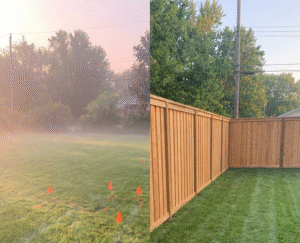
Wood remains a popular choice for its natural warmth and design flexibility. When properly treated, a wood fence offers excellent privacy and can last 15 to 25 years. To maintain its integrity, a sealant should be applied every two to three years.
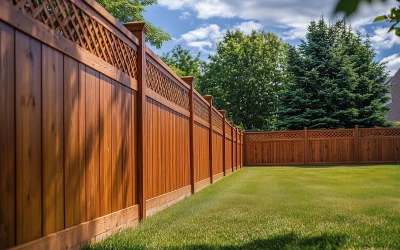
Traditional Vertical Cedar Fence
Cedar’s natural oils make it inherently resistant to rot and insects, offering a classic look with its vertical plank design. I often recommend cedar for clients in humid climates because it holds up exceptionally well without extensive chemical treatment.
Modern Horizontal Larch or Ipe Fence
Horizontal designs using durable woods like larch or ipe create a sleek, contemporary aesthetic. Ipe is incredibly dense and pest-resistant, and in one of my coastal projects, it withstood harsh salt air and sun for years with minimal fading.
Rustic Charm: Reclaimed Wood Fence
Using recycled or reclaimed wood adds unique character and is an eco-friendly choice. I’ve built these for clients seeking a weathered, rustic appeal that blends seamlessly with naturalistic or cottage-style landscapes.
Budget Option: Pine Dog-Ear Fence
Pressure-treated pine with a dog-ear top is an affordable and straightforward option for solid privacy. While cost-effective, it requires proper treatment to last; I’ve seen untreated pine fences begin to fail in as little as five years.
Shadowbox: Neighbor-Friendly Design
Shadowbox fences feature alternating planks on either side of the rails, permitting airflow while blocking direct sightlines. This design looks equally attractive from both sides, which can prevent disputes with neighbors over the “good side” of the fence.
Choosing the right wood is critical. Cedar and larch offer great longevity, but all wood requires regular maintenance to preserve its beauty and structural integrity over the years. For more on material choices, explore our wood fence services.
13–22: Low-Maintenance: Vinyl and PVC Designs
Vinyl fences are a top choice for durability, resisting moisture, pests, and sun damage without ever needing to be painted. They typically last 20 to 30 years, making them a practical solution for busy homeowners.
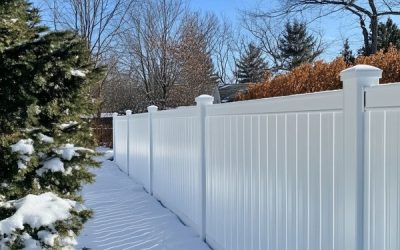
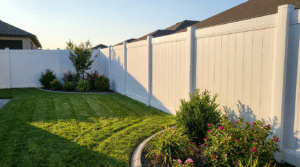
Classic White Vinyl Panel Fence
White vinyl panels create a clean, crisp, and timeless barrier. In my experience, quality vinyl is highly fade-resistant, making it perfect for sunny backyards where it will maintain its bright appearance for years.
Vinyl with Wood-Grain Texture
For those who love the look of wood but not the upkeep, vinyl with a wood-grain texture is an excellent alternative. I’ve used these products to successfully blend modern, low-maintenance durability with a traditional aesthetic.
Two-Tone Vinyl Fences for Accent
Mixing colors, such as using tan panels with white posts, adds visual interest and a custom touch. A client recently chose this option to complement their home’s trim, enhancing their yard’s unique style.
See our vinyl fence options for durable and stylish solutions.
23–30: Sleek and Sturdy: Modern Metal Fences
Metal offers superior strength and clean, modern lines with minimal upkeep beyond occasional cleaning.
Corrugated Metal Fence
Galvanized or coated corrugated metal sheets provide complete privacy and have an industrial-chic appeal. I’ve installed these for clients looking to create a bold, contemporary statement in their yard.
Horizontal Aluminum Slat Fence
Aluminum slats offer a modern look that allows light and air to pass through while still obscuring the view. Their lightweight nature makes installation on sloped or difficult terrain much more manageable.
Gabion Wall (Mesh with Stones)
Gabions, which are wire cages filled with stones, create a unique and highly durable wall. They are excellent at absorbing sound, making them a functional choice for urban settings, as I found in one city garden project.
Laser-Cut Panel Fences
Custom laser-cut metal panels can feature intricate patterns, turning a functional barrier into a piece of art. These panels added an elegant, artistic flair to a client’s modern home while providing partial privacy.
For more details on lightweight metal options, visit our page on aluminum fence services.
31–38: Eco-Friendly and Durable: Composite Ideas
Composite fencing blends recycled wood fibers and plastics for a product that resists rot, pests, and fading. These fences often last 25 to 30 years with just occasional washing.
Recycled Composite Fence
Made from sustainable materials, these fences are a great choice for eco-conscious homeowners. I often recommend them to clients focused on green building practices.
Dark Gray Composite for Minimalist Design
Deep gray and charcoal tones are popular for contemporary and minimalist homes. The color consistency and fade resistance of high-quality composite impressed me in a long-term project I oversaw.
Explore the benefits of blended materials with our composite fence services.
Diverse Privacy Fence Designs: Aesthetics and Functionality (39–50)
Effective privacy fence designs merge form and function, moving beyond simple barriers to become integral parts of the landscape. In 2025, the trend leans toward minimalist lines and mixed materials that enhance the flow of a yard while ensuring seclusion.
The key to great fence design is matching it to your home’s architecture. I’ve created fences that double as design features, such as one with integrated planters that boosted both privacy and the yard’s biodiversity. According to research from Perimtec, well-designed fences can improve outdoor enjoyment by creating defined, usable spaces. These privacy fence designs address the common need to block views without casting the entire yard into shadow.
39–44: Horizontal Fences for a Modern Look
Horizontal lines draw the eye outward, making a space feel wider and more open. I’ve used them to create sleek, modern barriers that feel private yet not confining.
45–48: Latticed-Top Fences for Partial Privacy
Adding a lattice top to a solid fence allows light and air to filter through, which is ideal for areas near gardens. This design element prevents a “walled-in” feeling, which was a concern in a recent small-yard project.
49–50: Mixing Materials (Wood and Metal, Concrete and Wood)
Combining materials, such as wood panels set within a metal frame, offers the warmth of wood and the durability of metal. This hybrid approach solved strength and wind-resistance issues in a coastal area I worked on.
For designs tailored to outdoor living areas, see these patio privacy fence ideas.
Living Fences and Eco Solutions for Total Harmony (51–55)
51–52: Living Hedges: Evergreen and Fast-Growing
Evergreens like Arborvitae (Thuja) provide dense, year-round coverage. For clients needing quick results, I’ve planted Leyland Cypress, which can grow up to 3 feet per year and form a solid screen in just a couple of seasons.
53: Vertical Gardens and Living Walls
These systems stack plants vertically, offering a space-saving privacy solution for patios and small yards. In one project, a living wall not only provided screening but also naturally cooled a client’s patio during the summer.
54: Bamboo Screens and Rolls
Bamboo is a fast-growing, renewable resource that works well as a privacy screen. It can be grown as a hedge (use a clumping variety with a root barrier) or installed as rolled fencing for an instant, tropical-inspired look.
55: Trellis Integration with Climbing Plants
Adding trellises to an existing fence and planting climbing vines like clematis or jasmine is a beautiful way to increase height and density. This approach enhanced a fence’s privacy without requiring new permits for a taller structure.
Solutions for Unique Challenges and Special Conditions
Small Privacy Fence Ideas: Maximizing Coziness in Limited Spaces (56–57)
Small privacy fence ideas focus on compact, multifunctional designs that are perfect for tight yards, decks, or patios. The key is to think vertically to save ground space while achieving seclusion. In my experience, these solutions work best when layered with plants to soften their appearance.
Using Tall Planters and Raised Beds
Tall, narrow planters filled with upright plants like ornamental grasses or bamboo can create a living screen. I’ve combined them with low fences to achieve layered privacy on urban balconies and rooftops.
Installing Standalone Screens or Pergolas
Freestanding privacy screens offer flexible, targeted barriers. A pergola with retractable side shades that I designed for a client effectively shielded their tiny deck from view while providing welcome shade.
Vertical Greening for Space Savings
A wall-mounted trellis with climbing plants can turn a narrow alley or a bare wall into a private, green nook. This is an efficient way to add privacy and beauty without sacrificing floor space.
Budget and Affordable Fence Ideas
For homeowners looking for value, several options provide privacy without a high price tag.
Pressure-Treated Pine Fences
Treated pine is one of the most cost-effective materials for a solid fence. While it requires regular maintenance, it provides an effective barrier on a tight budget.
Ready-Made Bamboo or Reed Rolls
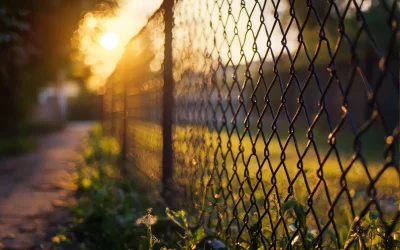
These rolls can be attached to an existing chain-link fence or a simple frame for instant screening. They are ideal for temporary solutions or renters.
DIY Installation for Labor Savings
Installing a fence yourself can cut the total project cost nearly in half. With the right tools and a clear plan, it’s a feasible weekend project for many homeowners, a path I’ve guided many clients through. For more budget-friendly options, read our guide on cheap privacy fence ideas.
Ideas for Sloped or Uneven Terrain
Stepped Fence Design
For steep slopes, a stepped design is best. Each fence panel is installed horizontally, with the posts adjusted in height to create a stair-step effect down the hill. This ensures the fence remains level and stable.
Raked Fence Design
On gentle, consistent slopes, a raked fence is a good choice. The panels are built to follow the angle of the ground, creating a smooth, continuous line that flows with the landscape. This was the perfect solution for a recent project on a rolling lawn.
Beyond the Fence: Enhancing
Privacy and Style
Integrating Gates and Entrances in Matching Styles
For a cohesive look, gates should match the fence in material and style. I always design gates to blend seamlessly, creating a polished and intentional entry point.
Adding Lighting for Ambiance and Security
Low-voltage landscape lighting installed on or near the fence can enhance security and create a beautiful nighttime ambiance. I’ve used solar-powered post cap lights as an easy, energy-efficient option.
Landscaping Complements to the Fence (Trees, Shrubs)
Planting a layered buffer of trees and shrubs in front of a fence boosts privacy and adds natural beauty. This technique can fill any remaining gaps and soften the hard lines of the fence structure.
Choosing the Perfect Fence: Quick Comparison
| Material | Average Cost ($/linear ft.) | Maintenance Needs (1–5) | Lifespan (Years) | Aesthetics |
|---|---|---|---|---|
| Wood (Cedar) | $35–40 | 3–4 | 15–25 | Natural, warm |
| Vinyl (PVC) | $40–60 | 1–2 | 20–30 | Clean, modern |
| Composite | $50–70 | 2 | 25–30 | Natural-like |
| Metal (Corrugated) | $25–30 | 2–3 | 20–30 | Sleek, industrial |
| Living Hedge | Under $20 | 4–5 | 20+ | Organic, green |
Table Caption: Comparative table of materials for privacy fences.
Planning Your Project: From Idea to Installation
Important! Before starting any work, check your local building codes and any Homeowners Association (HOA) rules regarding fence height, materials, and placement. This simple step can save you time and prevent costly fines.
Setting a Budget: Materials, Labor, and Hidden Costs
When budgeting, account for materials, which can be 40–60% of the total cost, plus labor, permits, and potential costs for land surveying or clearing. I’ve seen many projects go over budget because these extras weren’t factored in.
DIY Installation or Hiring a Contractor?
A DIY approach is suitable for handy homeowners working on simple projects, while hiring a professional ensures a durable, long-lasting result, especially on complex sites.
Checklist: Are You Ready for DIY?
- Do you own or have access to the necessary tools, such as a post-hole digger, level, and drill?
- Are you comfortable with measuring, cutting, and assembling materials accurately?
- Do you have the time to complete the project without rushing?
- Do you have a plan for unexpected challenges, like hitting rock while digging?
5 Key Questions to Ask a Contractor
- Can you provide a portfolio of similar fence projects and references from past clients?
- What is the estimated timeline, and how do you handle potential delays?
- Are you licensed and insured, and what safety measures do you take?
- What specific materials will be used, and what warranties are offered on materials and labor?
- What is included in the quote (e.g., demolition of old fence, cleanup, permits)?
Common Mistakes to Avoid
One of the most frequent errors is not setting fence posts deep enough or in sufficient concrete, leading to a leaning fence. I always ensure at least one-third of the post’s length is buried to guarantee stability. Another common mistake is allowing wood panels to touch the ground, which invites moisture and rot.
Frequently Asked Questions (FAQ)
The most budget-friendly options are using pressure-treated pine or installing bamboo roll fencing, both of which can be done as a DIY project to save on labor costs.
Vinyl (PVC) requires the least upkeep. It doesn't need painting or sealing and can be cleaned with soap and water, lasting 25–35 years with minimal effort.
In most U.S. residential areas, the maximum height for a backyard fence is 6 feet. However, this varies by city and HOA, with some areas allowing up to 8 feet, sometimes with a permit.
Yes, solid, dense fences can significantly reduce ambient noise. Acoustic studies show that a well-built privacy fence can lower noise levels by 5 decibels or more.
There are two main methods: stepping and racking. A stepped fence features panels that are installed level, creating a stair-step pattern down the slope. A racked (or sloped) fence follows the contour of the ground, keeping the rails parallel to the slope.