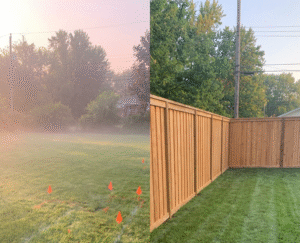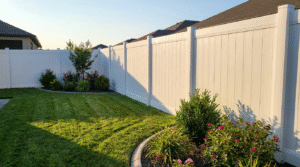
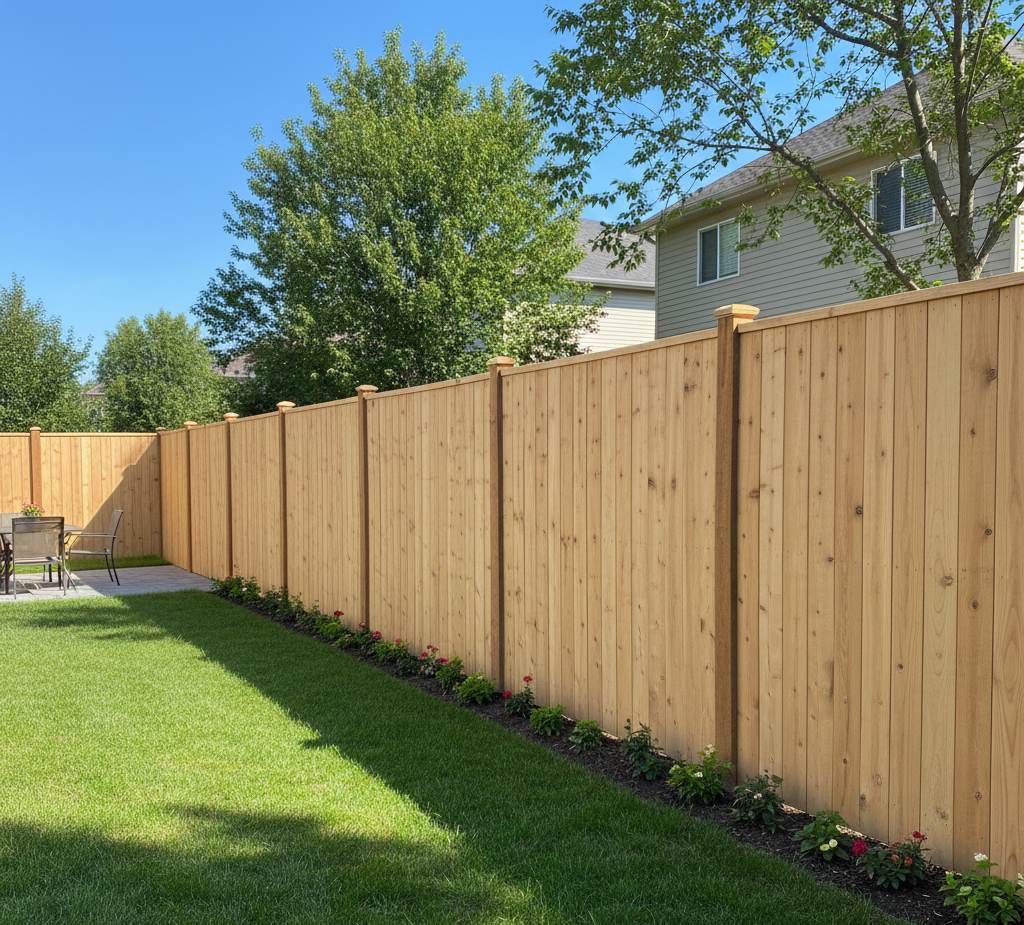

A fence is more than just a property boundary. It provides security, privacy, and affects your home’s curb appeal. An aging fence loses strength, can cause neighbor disputes, and diminishes property attractiveness. This guide outlines five clear signs that indicate the need for full fence replacement rather than patchwork repairs. Early identification of these issues helps protect security, privacy, and your home’s value.
Why Monitoring Your Fence Condition Matters
A fence defines boundaries and protects families from intruders or wandering pets. An aging fence loses strength and degrades the property’s appearance. According to research, quality exterior improvements positively impact property value at resale. Ignoring deterioration causes small problems to escalate into costly major repairs.
Fence Functions: Security, Privacy, and Aesthetics
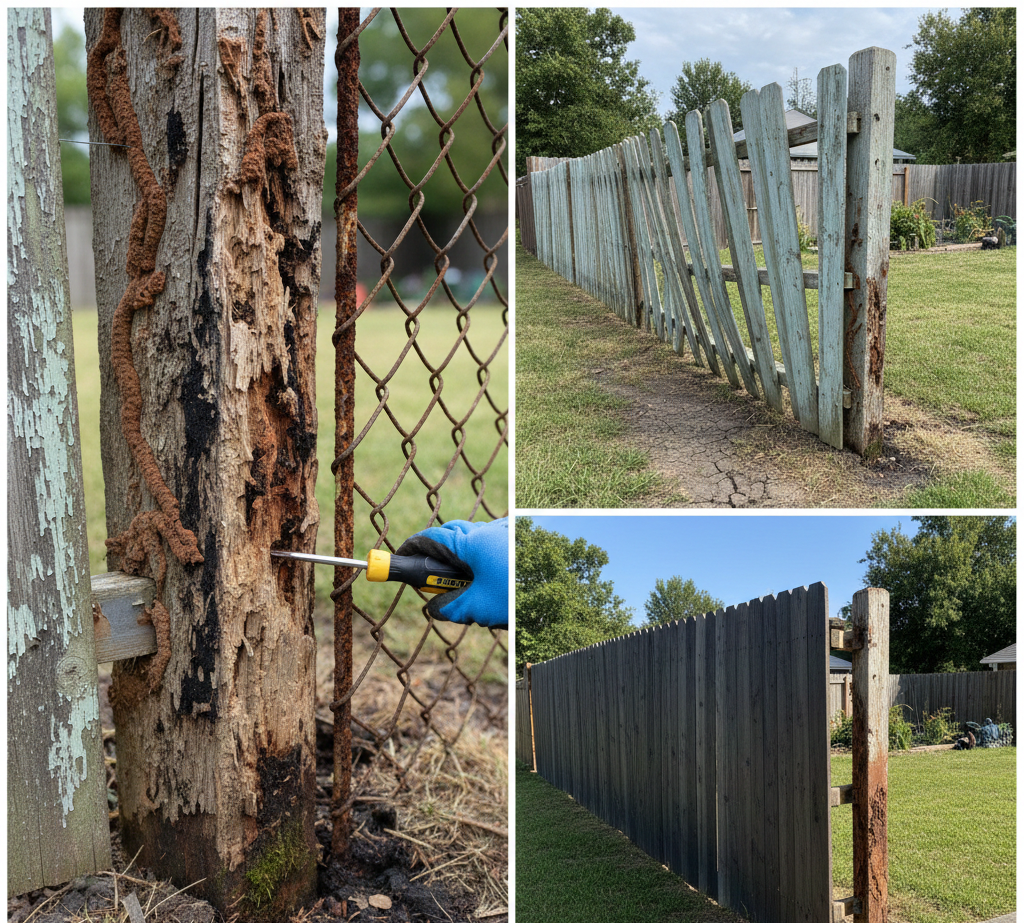
Posts anchor the entire structure. Panels block views. Gates control access. When any part weakens, the entire fence suffers. A leaning fence signals soil shifts or rot at the base. Homeowners notice gaps that let noise in or allow children’s balls to escape. Professional fence installation prevents these failures from the start.
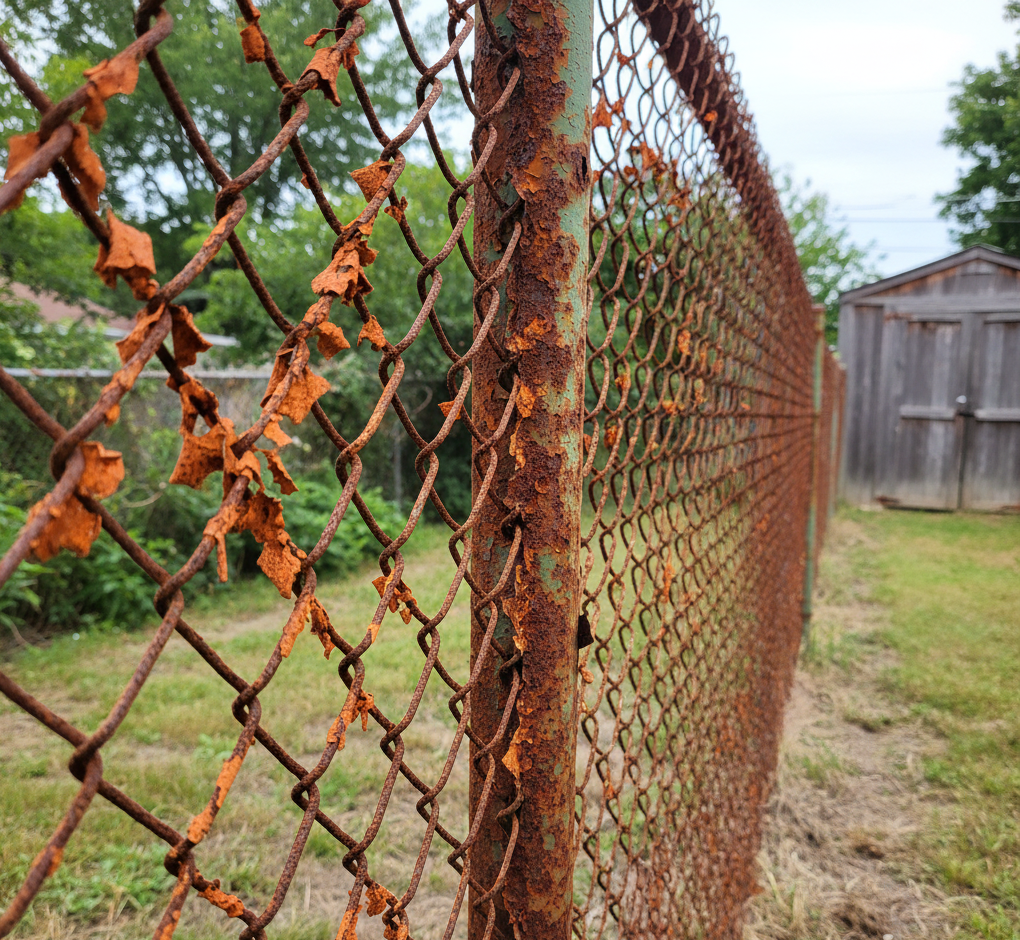
Sign 1: Extensive Rot, Rust, or Pest Damage
Rot eats wooden fences from the inside. Rust flakes metal fences apart. Pests hollow out supports. These factors destroy fence materials faster than surface wear.
Wood Rot vs. Metal Rust: What to Look For
For wooden fences:
Press a screwdriver into wood posts. If it sinks easily, rot has set in. Dark streaks or soft spots mark rotting wood.
Really, the best way to test an area for rot is to simply poke it. Rotted wood is soft to the touch. Use a sharp object, like a screwdriver or an awl, to test the area. If the point of the tool sinks in less than 1/8″, the wood is probably not yet rotted. The Honest Carpenter
For metal fences:
On metal fences, orange flakes mean rusting metal erodes strength. Rust thins wire, making the fence unsafe.
Invisible Threats: Termites and Other Pests
Tap posts for hollow sounds—this indicates voids inside. Mud tubes on wood signal termites.
These mud tubes, composed of soil, wood particles, and saliva, are often one of the first visible indicators of a termite presence in your home. All U Need Pest
Pest damage turns solid pickets into crumbling elements. Early detection can save individual sections, but widespread infestation demands full fence replacement.
Check ground contact points after rain. Moisture accelerates dry rot in wooden fences. Seal board ends during installation to block water entry.
Victor Bravo, Project manager
Sign 2: Structural Instability and Leaning Posts
A fence tilting more than a few inches risks collapse in wind. Leaning fence posts stem from frost heave or weak footings.
North Dakota guide: Frost depth, wind, and fence installation basics
The “Shake Test”: How to Assess Your Fence’s Stability
Grab a post and push. Movement beyond slight flex points to trouble. Existing fences settle over time, but excessive lean affects the entire fence line.
When a Leaning Post Means Bigger Problems
One tilted post pulls neighbors with it, like dominoes. This common fence issue often requires digging out concrete footings.
This phenomenon, known as frost heave, can cause posts to shift or even pop out of the ground. When the soil thaws, it settles unevenly, making the fence lean. Suburban Fence
Fence repair works for isolated cases; multiple leans call for new fence installation.
Sign 3: Widespread Cracks, Warping, or Missing Sections
Cupping and warping twist fence panels. Cracks split wood fibers. Missing pickets expose yards.
Beyond Superficial: Cracks That Compromise Integrity
Hairline cracks grow under freeze-thaw cycles. Warped boards in wood fences create uneven lines and weak joints. Vinyl fences crack from impacts.
When Patching is No Longer an Option
Replace a single panel if damage stays local. But when half the fence shows cracks or missing sections, old fence removal and full replacement prove cheaper long-term.
The Rule: Count affected areas. If more than 20-30% is damaged, it’s better to start fresh.
If over 25–30% of the fence is damaged, replacing it is more practical than chasing repairs. Hancock Fence
Damage Type | Repair Viable | Replacement Needed |
1-2 cracked panels | Yes | No |
Warping in 50%+ boards | No | Yes |
Multiple missing pickets | Patch if isolated | Full if widespread |
Sign 4: Significant Weather Damage or Age
Storms strip paint. Sun fades colors. Frost pushes posts.
The Impact of Sun, Rain, and Frost Over Time
Faded or peeling paint exposes wood to elements. Blistered vinyl warps in heat. Metal fences pit from salt air. Fence maintenance like staining extends life, but cumulative damage shortens fence lifespan.
Understanding Your Fence’s Lifespan
Wood fences last 15-20 years with proper care.
From what we’ve seen during our last 12 years of business, a typical pressure-treated wooden fence lifespan is about 15-20 years. Around the 15-year mark is when most homeowners report seeing noticeable aesthetic declines, like rotting and splitting. Smucker Fencing
Vinyl fences reach 20-30 years, with quality models lasting up to 50 years.
A vinyl fence lasts 20 to 30 years provided it’s properly installed and maintained, but some vinyl fences can last 50 years or more. Angi
Metal fences vary by coating: aluminum lasts 30+ years, steel lasts 20-30 years.
A metal fence can easily last 20 years, but it depends on the type of fence and metal. An aluminum fence lasts 30+ years. A steel fence will stay effective for 20-30 years. Top Rail Fences
An aging fence past its prime shows multiple failures at once. Track installation date; if you exceed expected years, plan fence solutions.
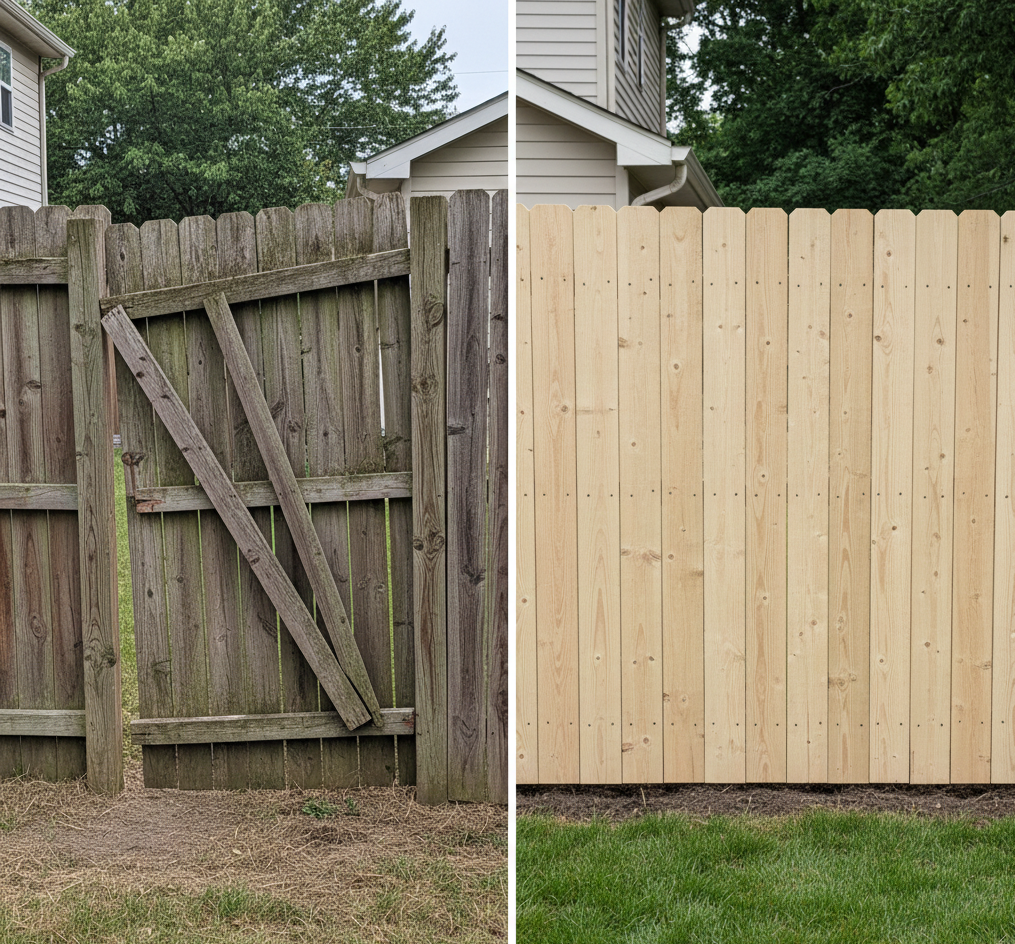
Sign 5: Your Fence No Longer Serves Its Purpose
Needs evolve. A short fence once fine for decor now fails at privacy.
Changing Needs: Privacy, Security, or Aesthetic Updates
Families grow. Pets arrive. Neighborhoods change. A low picket fence suits front yards but not backyards. Switch to tall privacy fences for seclusion. Update fence styles for modern looks that boost property value.
Fence design options include solid vinyl for zero gaps or metal for durability. Contact fence professionals to match materials to goals.
Measure gate functionality. Gate sag over 2 inches prevents proper latching and signals hinge failure across the line.
Victor Bravo, Project manager
Conclusion
These five signs—extensive rot or rust, leaning posts, widespread cracks, weather damage, and lost purpose—guide decisions on fence needs. Act on one or two to avoid disasters. Full fence replacement restores safety and appeal efficiently.
Read also: What to expect during your fence installation day
How a New Fence Affects Home Value
While a new fence doesn’t always guarantee high return on investment, it improves curb appeal and property functionality. According to research, typical ROI ranges from 30-70% of installation costs.
According to Angi, the average return on investment (ROI) for installing a fence usually ranges between 30% and 70% of the installation cost. This means that if you spend $3,200 on a fence, you might expect to see around $950 to $2,400 added to your home’s appraised value. Redfin
A quality, well-maintained fence made from durable materials like wood, vinyl, or wrought iron helps your home stand out in the market, sell faster, and potentially attract better offers.
When planning fence installation, consult professional contractors in your area who can assess your current fence condition and propose solutions matching your needs and budget.
Frequently Asked Questions
Repair suits isolated damage like one rotten board. Replace when issues span sections or compromise structure (more than 20-30% damage).
Most residential jobs finish in 1-3 days, depending on length and terrain.
Read more: How long does it really take to install a fence?
Vinyl and coated metal outlast wood in harsh weather, often 25+ years with minimal upkeep. Aluminum fences can last 30+ years.
Yes, but moderately. Quality installations typically return 30-70% of costs through improved appraised value, enhanced curb appeal, and security. Impact depends on location, materials, and local real estate market.
Important Notice:
This article is provided for informational purposes only. For an accurate assessment of your fence condition or any questions, we strongly recommend reaching out to us—we’ll connect you with a licensed fence installation contractor in your area for expert advice. ROI and cost figures are based on publicly available industry data and may vary by region, materials, and market conditions.